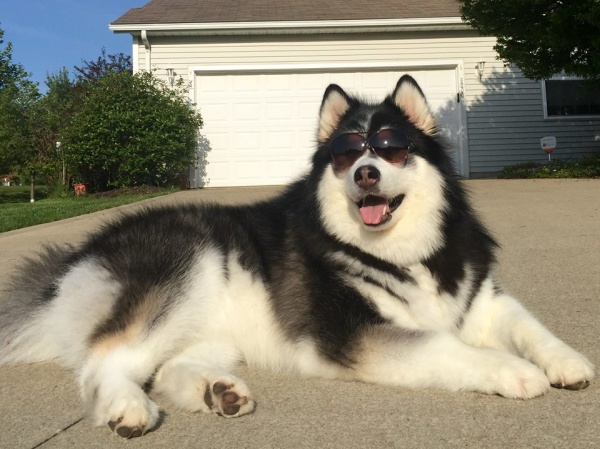
I believe strongly that ALL animals need training not just Alaskan Malamutes, and all animals deserve attention, especially from their breeder. I found that personally, I can care properly for two Alaskan Malamute litters at a time. My standards of care and attention are so high; I recognize that intentionally planning a Malamutes whelping beyond this amount will forcibly sacrifice the quality of dog I prefer to represent. I prefer to focus beyond the Alaskan Malamute puppies that are produced every year, and to continue to provide attention, love and training to the older Alaskan Malamute dogs that I have embraced within Candy Rock Kennels.
If you want a Quality Alaskan Malamute puppy or are seeking to raise a champion Malamute for show purposes, consider what Candy Rock Kennels has to offer. Our Alaskan Malamute dogs and our Alaskan Malamute Giants are guaranteed to be free of Health Defects and offer you all the rewards of welcoming a new friend into your family.

For more information and suggestions on pet food click here
For our past puppy's photo's click here.
http://candyrockalaskanmalamutes.com
ALASKANMALAMUTEBREEDER.COM
OHIOALASKANMALAMUTEBREEDER.COM
GIANTALASKANMALAMAUTEBREEDER.COM
Breed Profile:
County of Origin:The Alaskan Malamute hails from the Arctic region, where it depended on its thick coat to survive the extreme cold. It was first recorded living among the Mahlemuts in Alaskan ( Malamute means"village of the Mahle"). The Alaskan Malamutes were bred for size and power to assist in hauling the bodies of seas and polar bears back to the village. They preformed an essential fiction and became valued workers and companions.The Alaskan Malamute was endangered by interbreeding during the Alaskan gold rush in 1896, but was rescued by a breeder and Alaskan Malamute enthusiast in New England the 1920's, and thereafter increased in popularity. Alaskan Malamutes achieved fame by assisting in Admiral Byrd's trek to the South pole in 1933 and served as pace dogs and search-and-rescue dogs in World War II. They are the prototypical strong, unrelenting sled dog.
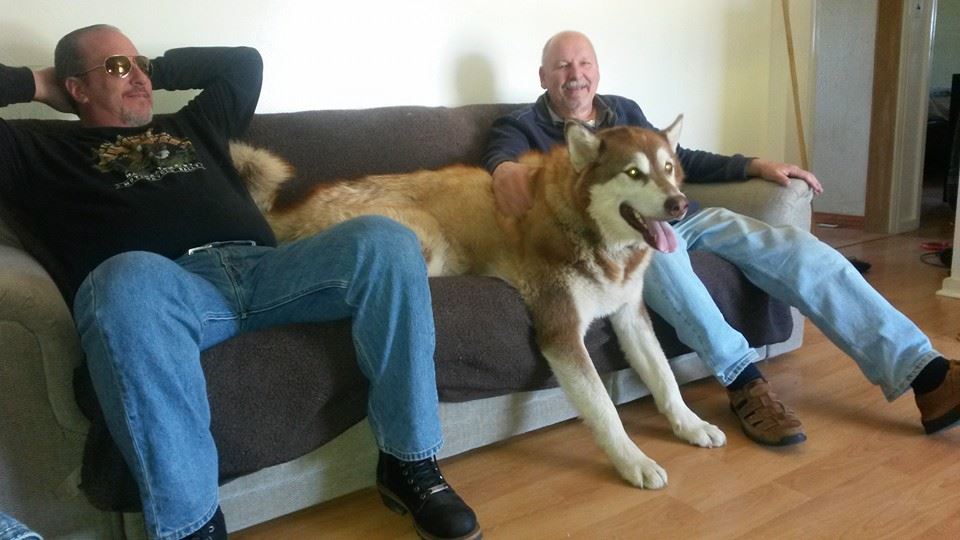
Size: Alaskan Malamutes have a shoulder height of 58-63.5 cm (23-25 inches) and and weight 34-38.kg (75-85 lbs). With broad heads and heavy bones, they are built for pulling weight, Alaskan Malamutes have large muzzles, brown , almond shaped eyes, and triangular, rounded ears. They have straight backs and large feet, with plumed tails which curl over the back." Giant" Malamutes which weight over 140lbs are sometimes bred, but not as show dogs. Alaskan Malamutes are slightly longer than they are tall.
Coat: The Alaskan Malamute has dense double coat. The outer coat is thick and coarse and the under coast is greasy and wooly. The coat is either pure white or a mixture of white with gray, sable, black , or red, with white legs and muzzle. Alaskan Malamutes grow thick coat in winter and shed in the spring.
Character: The Alaskan Malamute is friendly, affectionate, and loyal, but can have a mind of its own.They are energetic like puppies for may years, but mellow out in older age. Alaskan Malamutes bond closely with their master. They don't mind living outdoors as long as sufficient human companionship is available. Alaskan Malamutes are generally quiet, but my howl, and are fond of digging.
Temperament: Alaskan Malamutes generally get along well with children especially older children .Their friendliness makes they somewhat unsuitable as a watchdog.The Alaskan Malamute should be watched around smaller breeds or other pets do to a strong prey instinct. They may be aggressive towards other Alaskan Malamutes of the same gender. Early socialization in import and to help the Alaskan Malamute get along with other pets.
Care: The Alaskan Malamute does not require frequent grooming, but a good come-out with a coarse comb is required when shedding. Alaskan Malamutes have litters of 4 -10 and a life span of 10-12 years. They are susceptible to musculoskeletal and dermatological diseases.They are generally unsuited for hot climates, and should be given plenty of shade, water, and cooling when living in warm areas. Alaskan Malamutes will eat whatever they are fed, so avoid overfeeding to prevent obesity.
Training: Although they are friendly and well mannered, Alaskan Malamutes need a firm approach in their training to achieve obedience.Some Alaskan Malamute puppies may be difficult to housebreak.
Activity: The Alaskan Malamute need a lot of exercise.AT least on hour a day of hard exercise is advisable. Alaskan Malamute absolutely love to pull a sled or a wagon, but also enjoy running and roaming. Alaskan Malamutes can become depressed and aggressive if not allowed to exercise.